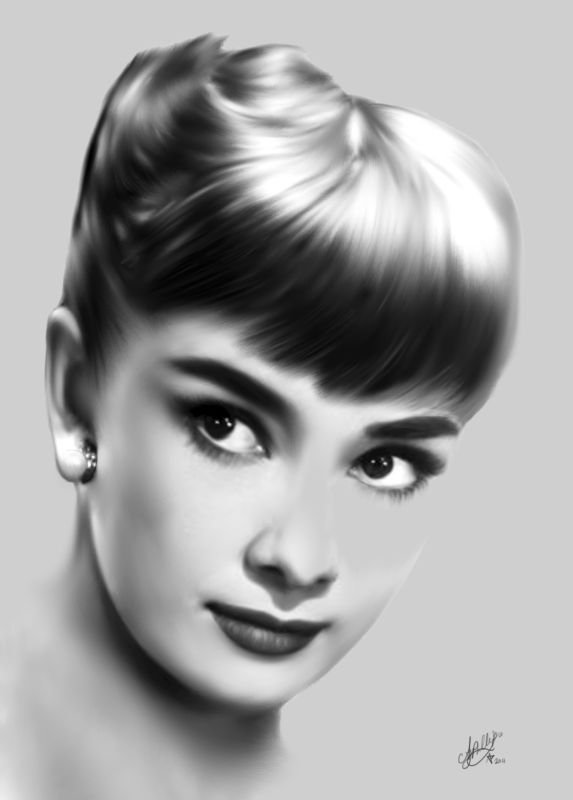
An original Hollywood portrait does more than reproduce a recognizable face: it expresses a traceable human point of view through composition, selection, transformation and context. In the age of AI, you should judge originality by the artist’s decisions—not simply by whether software generated part of the image.
Why AI Changes the Originality Question
The distinction matters because artistic originality and copyright protection are related but not identical. For another perspective on celebrity imagery, see our feature on Andy Warhol’s mugshot-based pop art. In its decision concerning the comic book Zarya of the Dawn, the U.S. Copyright Office concluded that Midjourney-generated images were not protected as human-authored works, although the creator’s text and selection and arrangement of material could qualify. The decision did not declare AI-assisted art inherently uncreative; it focused on which expressive elements a person actually controlled.
A separate warning comes from the U.S. Supreme Court’s 2023 decision in Andy Warhol Foundation for the Visual Arts, Inc. v. Goldsmith. The Court ruled against a particular commercial licensing use of Warhol’s Prince image. For portrait makers, the practical lesson is that adding a new style or meaning does not automatically resolve questions involving source photographs and competing commercial uses.
What Makes an Artist’s Interpretation Original
Originality becomes visible through connected choices. An artist might crop a publicity image to create tension, replace glamour lighting with stark tonal contrast, combine references from different periods or frame a celebrity likeness as commentary on fame, policing or studio mythology. No single technique proves originality. The strength lies in how those choices work together and whether they reflect the artist’s own conception.
AI can function as one tool within that process. Prompting alone may offer limited evidence of control, especially when the system determines important visual details unpredictably. Sketches, manual edits, compositing, painting, typography and deliberate sequencing can demonstrate a clearer creative contribution. Keep the original output and intermediate versions so you can identify what changed.
A Practical Commissioning and Review Process
If you commission Hollywood portraiture for editorial, marketing or display, use a documented sequence rather than relying on a claim that an image is “AI inspired.”
- Define the concept. Record the intended argument, mood and audience before image generation begins.
- Audit source material. Identify photographs, screenshots, archives and model outputs used during production, then confirm relevant permissions.
- Document human decisions. Preserve sketches, prompts, rejected versions, masks, paint layers and notes explaining significant revisions.
- Review the final work. Compare it with references, recognizable artist styles and existing campaign imagery before approving publication.
Risks, Mistakes and Recovery
The most common mistake is treating visible difference as proof of legal safety. A portrait can look dramatically altered while still creating concerns about an underlying photograph, a performer’s likeness, false endorsement or contractual restrictions. Rules vary by jurisdiction and use, so ask qualified counsel to review high-value commercial campaigns rather than assuming a filter or prompt settles the issue.
If provenance is unclear, pause publication. Reconstruct the source log, obtain missing permissions where possible and replace disputed elements when necessary. You should also avoid marketing an output as wholly handmade when generative tools materially shaped it. Accurate process language protects credibility with artists, performers and audiences.