
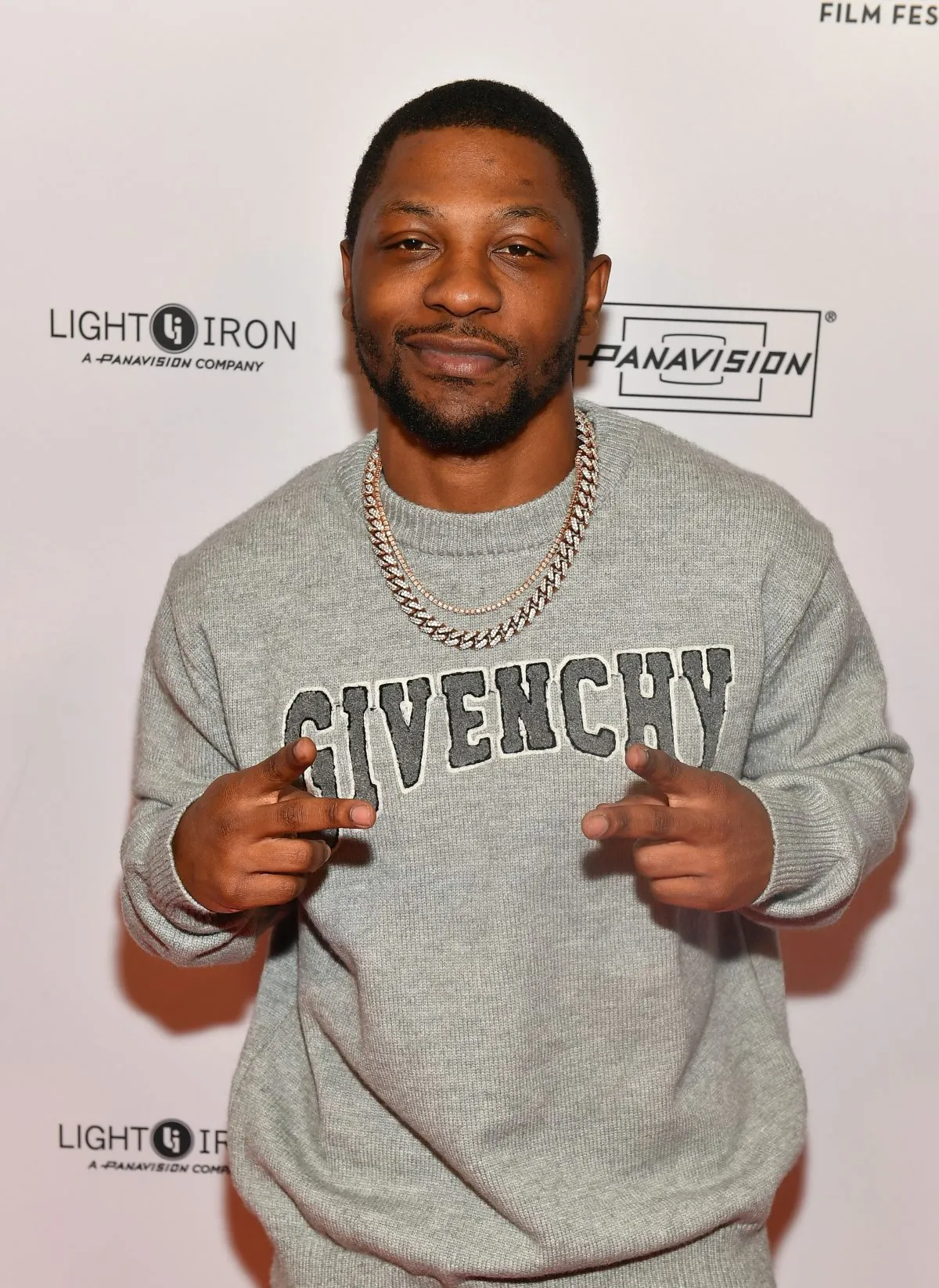
Bobb’e J. Thompson, the former child actor and television performer known for appearances in projects including Role Models, That’s So Raven, 30 Rock and MTV’s Wild ’N Out, has been sentenced to 30 months in federal prison in Iowa after pleading guilty to possession of a firearm by a felon.
The sentence was imposed September 16 by U.S. District Judge Leonard T. Strand in Sioux City, according to the U.S. Attorney’s Office for the Northern District of Iowa. The office said Thompson, 30, will also serve three years of supervised release after his prison term. Federal sentences do not include parole, prosecutors noted. Local station KTIV independently reported the sentencing and said Thompson remained in U.S. Marshals custody pending transfer to a federal facility.
This is a sentencing story, not an arrest-stage matter. Thompson entered a guilty plea on April 28, according to the Justice Department release, and the prison term followed that plea. The conviction is therefore established through the plea proceeding; it should not be described as a pending accusation or as a mere police allegation.
Prosecutors said the case grew out of a September 22, 2025 traffic stop in Cerro Gordo County, Iowa. Their release states that law enforcement clocked a vehicle Thompson was driving at 104 mph in a 70-mph zone and saw Thompson and a passenger switching seats as an officer approached. During a subsequent search, authorities said, officers found marijuana and a loaded .40-caliber handgun in a backpack they identified as Thompson’s. Prosecutors said the gun had been reported stolen from a vehicle in Kansas City, Missouri.
Those underlying facts were presented by the government in announcing the sentence. The central legal outcome is more straightforward: Thompson pleaded guilty to the federal felon-in-possession offense and was sentenced to two and a half years in prison. The Justice Department identified the case as No. 26-3001 in the Northern District of Iowa.
Thompson’s case carries particular cultural resonance because audiences first encountered him as a working child performer. His screen work placed him in the late-2000s and early-2010s ecosystem of studio comedy, family television and youth-oriented programming, where young actors can become instantly recognizable while still being known primarily through characters. Years later, the federal sentencing is being reported through that earlier public identity.
That context can help explain public interest without turning a criminal judgment into spectacle. Thompson is not being sentenced for an on-set incident or a Hollywood-specific offense; he is being sentenced in a federal firearms case prosecuted in Iowa. The entertainment connection is biographical, not a different legal standard.
The sentence also illustrates why precise labels matter in celebrity-crime coverage. A traffic stop, a criminal charge, a guilty plea and a prison sentence are distinct stages. In Thompson’s matter, the court has reached the sentencing stage. Any future reporting should focus on post-sentencing developments, including designation to a Bureau of Prisons facility, appellate filings if any are made, or the start of supervised release after his custodial term.