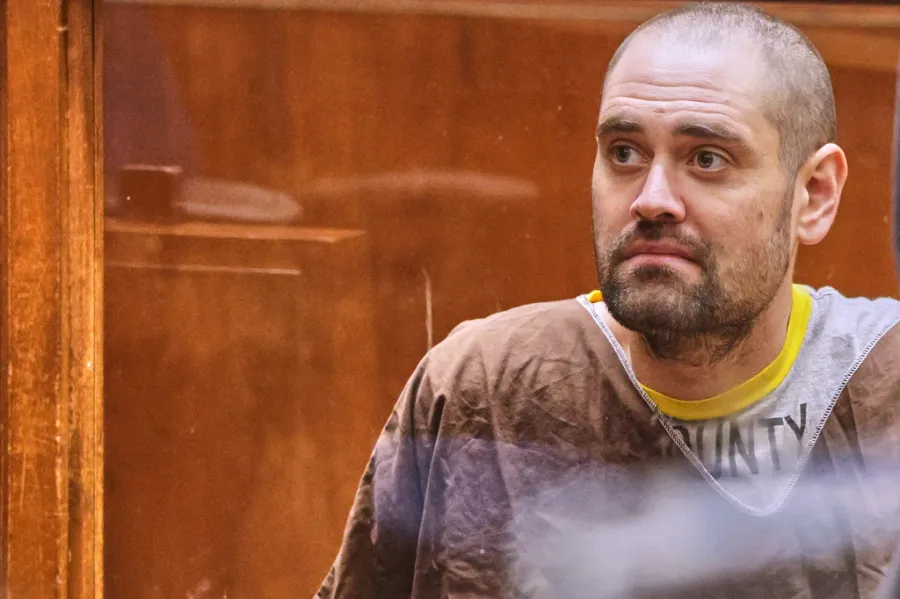
Los Angeles County prosecutors said Tuesday, Sept. 15, that they will not seek the death penalty against Nick Reiner in the criminal case arising from the December 2025 deaths of his parents, filmmaker Rob Reiner and producer-photographer Michele Singer Reiner.
The decision does not resolve the case or alter Reiner’s not-guilty plea. He remains charged with two counts of first-degree murder, accompanied by special-circumstance allegations including multiple murder and lying in wait. The Los Angeles County District Attorney’s Office said it reached its charging-penalty decision after reviewing aggravating and mitigating information and consulting relatives of the victims.
District Attorney Nathan Hochman announced the decision before a scheduled pretrial appearance in downtown Los Angeles. NBC Los Angeles reported that Hochman said the office would not seek a death sentence if Reiner is convicted. The practical consequence is significant: prosecutors will not ask a jury to impose capital punishment, while life without the possibility of parole remains the maximum punishment described by the DA’s office if the special circumstances are proved.
Reiner’s prosecution has already taken an unusual procedural turn. A Los Angeles grand jury indictment unsealed in August replaced the earlier criminal complaint, allowing the case to proceed without the public preliminary hearing that had previously been anticipated. That route can spare witnesses a preliminary-round of open-court testimony, but it does not reduce the prosecution’s burden at trial. The government must still prove every charged count and special-circumstance allegation beyond a reasonable doubt.
The charges concern the deaths of Rob Reiner, the director of films including When Harry Met Sally…, The Princess Bride and This Is Spinal Tap, and Michele Singer Reiner, a photographer and producer. The case has carried exceptional public attention not simply because of the allegations, but because the victims’ work is woven into several generations of Hollywood culture. That attention makes precision especially important: Nick Reiner has been accused and charged; he has not been convicted.
Tuesday’s announcement also illustrates the distinction between a prosecutor’s sentencing decision and a judicial outcome. The DA’s office retains the murder charges and special-circumstance allegations. A decision not to seek death means capital punishment is no longer on the table in this prosecution; it does not mean that charges were reduced, dismissed, or adjudicated. Nor does it represent a finding on the evidence by a jury.
The next phase will be conventional but closely watched criminal-case preparation: litigation over evidence, motions, and scheduling before any eventual trial. For a story that has invited relentless public narration around a well-known family, the present legal fact is narrower. Prosecutors have limited the potential punishment they will seek. Reiner remains presumed innocent, and the charges remain pending.