Celebrity legal news moves quickly. The law usually does not.
That mismatch creates one of the easiest ways for entertainment coverage to become inaccurate: treating different stages of a criminal case as though they mean the same thing.
They do not.
An arrest means law enforcement has taken a person into custody under applicable legal standards. A criminal charge is an accusation filed through the legal process. A prosecution may continue, change or end. Charges may be declined or dismissed. A trial can result in acquittal or conviction. Each stage carries a different factual meaning.
Hollywood Most Wanted’s editorial standard is therefore deliberately repetitive: arrests, allegations and charges are not findings of guilt.
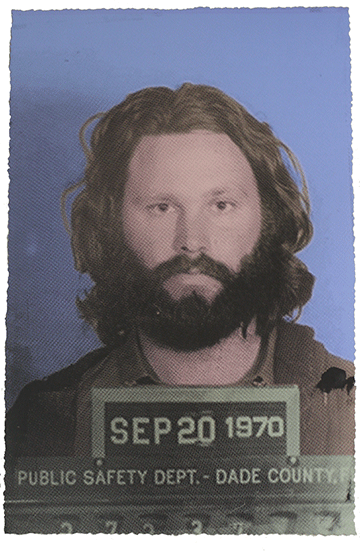
That sentence will appear on legal stories because the publication’s visual identity makes the distinction especially important. Mugshots are powerful images. They can create an impression of finality even when a case has barely begun.
The publication also commits to case-status updates and free corrections. If a material fact changes — for example, if charges are dismissed or a person is acquitted — the original article should reflect that development rather than leaving the first headline as the permanent version of the story.
Those obligations do not change with the speed of modern publishing. Legal-news stories require careful review of the underlying sources, an accurate case status and an editorial decision about whether the story is ready to publish.
The point is not to remove the drama from Hollywood legal news. The point is to make sure the drama does not replace the facts.
Sources