HOLLYWOOD — November 9, 2026. Advertising agency Ogilvy has unveiled ECHO, a generative-AI production system developed in partnership with Creative Artists Agency (CAA) to create advertising content using licensed celebrity and ambassador likenesses. The companies are positioning the platform as an answer to a central concern about artificial intelligence in entertainment: how performers can retain meaningful control over digital versions of their identities.
How ECHO works
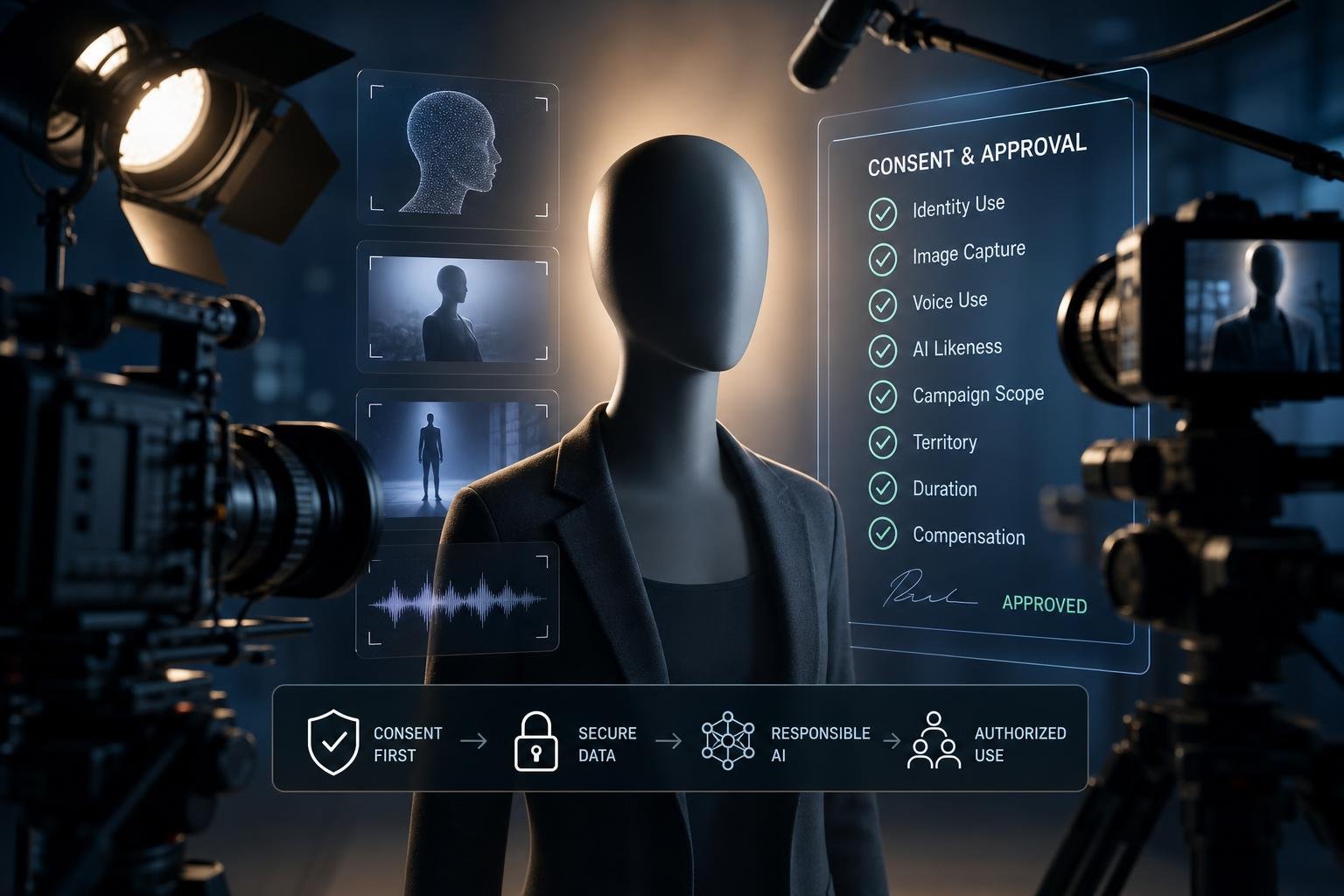
According to Ogilvy’s November 9 announcement, ECHO can turn a single, authorized production shoot into a library of adaptable material for digital campaigns. It integrates with CAA Vault, the talent agency’s initiative for securing licensed likeness, voice and other digital identity assets.
Rather than allowing brands to produce unlimited celebrity representations without oversight, the system is designed to require the performer’s approval for assets before publication. Ogilvy describes the technology as a consent-based approach to generating multiple advertising variations.
Why Hollywood should care
The business proposition is straightforward: marketers want advertising that can be adapted quickly for different audiences and platforms, while celebrities want control over the way their faces, voices and performances are used. The growth of convincing synthetic media has made the boundary between authorized endorsements and misleading impersonations more important.
ECHO could create new licensing opportunities for talent who approve derivative digital uses. But the commercial details matter: the companies’ announcement does not establish a standard royalty, guarantee a minimum payment, or answer how all performers would withdraw consent after a campaign has begun.
Consent is not the same as unrestricted ownership
The launch underscores a distinction in the AI debate. A licensed digital likeness is not the same as an unauthorized deepfake. Yet even a licensed system raises questions about compensation, disclosure to audiences, employment opportunities for crews and performers, and the scope of future usage.
Those questions deserve scrutiny as agencies, studios and advertisers develop new businesses around identity. ECHO’s announcement is a product launch, not proof that all potential labor or intellectual-property disputes have been resolved.
Source: Ogilvy’s official launch announcement, November 9, 2026.