LOS ANGELES — A Halloween weekend of celebrity panels, cosplay and independent art put L.A. Comic Con back in the conversation about California’s biggest fan gatherings. The inevitable comparison is with San Diego. The harder question is what, exactly, the attendance numbers measure.
Los Angeles organizers report more than 130,000 fans across three days in 2025. San Diego’s published forecast for its 2026 convention was more than 135,000 attendees. Both figures describe an event with a substantial audience. They do not establish that Los Angeles has nearly overtaken its southern neighbor.
As L.A.’s October 30–November 1 weekend concluded, a final 2026 attendance total was not available in the official sources reviewed for this article. That leaves a meaningful comparison of scale, but no reliable same-year scoreboard.
The numbers behind the comparison
L.A. Comic Con’s official FAQ identifies its 130,000-plus figure as a 2025 result. It also describes that edition’s 250-plus panels and programming events and more than 800 artists and exhibitors.
For San Diego, the city’s 2026 announcement projected more than 135,000 people over four convention days, following Preview Night on July 22. The San Diego Convention Center likewise used the 135,000-plus benchmark in its July 2026 publicity.
| Event | Published attendance figure | Reporting basis |
|---|---|---|
| L.A. Comic Con | More than 130,000 | Organizer-reported 2025 result; three days |
| San Diego Comic-Con | More than 135,000 | City-published 2026 forecast; four days after Preview Night |
The apparent proximity is tempting. But subtracting the headline figures would imply a precision the sources do not support: different years, different event lengths and a result compared with a forecast. The cited material also does not provide a shared method for counting repeat visits and unique attendees.
San Diego’s scale reaches beyond the exhibit hall
The city projected more than $160 million in regional economic impact from its 2026 convention, alongside more than 61,000 hotel room nights. Those forecasts describe a wider visitor economy: lodging, restaurants and other businesses benefiting from the gathering.
They are not a measure of spending inside Artist Alley, and they cannot be compared with Los Angeles ticket sales or booth revenue as though each number represented the same activity. Regional economic impact includes more than money passing across an exhibitor’s table.
That distinction matters for anyone deciding whether a large audience translates into a successful weekend. A city can benefit from visitors while individual sellers have very different experiences.
What Los Angeles offered on its own terms
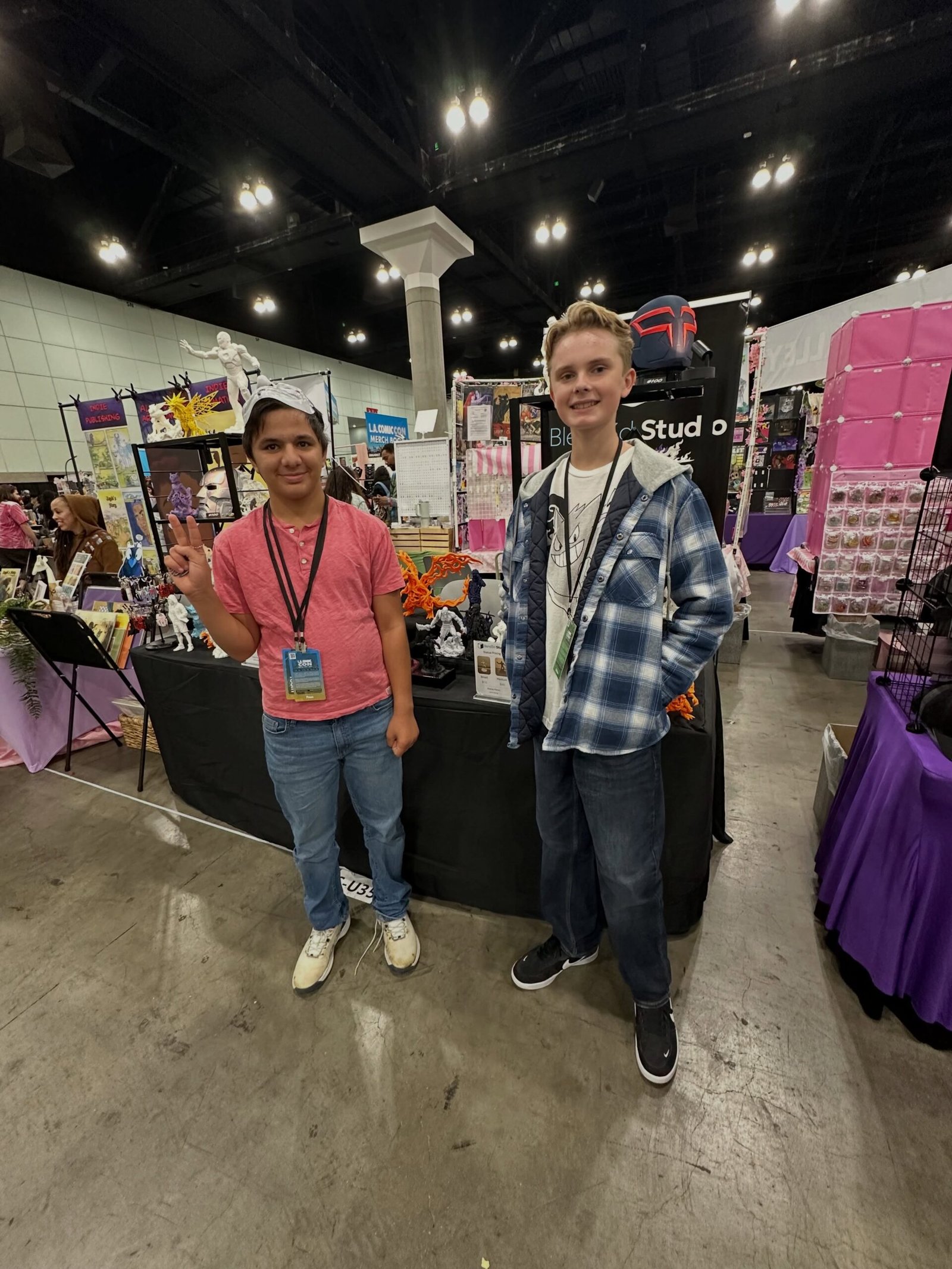
L.A.’s 15th-year event combined a Halloween setting with guests including Nicolas Cage, Hayden Christensen and stars from Breaking Bad, according to the venue’s event listing. Artist Alley, gaming and anime programming gave visitors reasons to move beyond the celebrity schedule.
For a local fan, that mix creates an opportunity to encounter creators and entertainment close to home. For an exhibitor, the useful measure is more specific: how many people stopped, engaged with the work and became customers.
A convention can draw an impressive audience without distributing that attention evenly. Booth placement, the route between attractions and the amount visitors can afford to spend all shape the experience. Our report on parking costs examines one expense competing for that budget.
Los Angeles does not need an unsupported claim of numerical parity to make its case. Its reported turnout already establishes a significant audience. A final 2026 count, with a clear counting method, would make the San Diego comparison more useful—and give artists and fans a firmer basis for judging what the show delivers.