Andy Warhol’s Most Wanted Men: The Mugshots Too Controversial for the 1964 World’s Fair
In 1964, Andy Warhol turned thirteen wanted men into the unlikely stars of the New York World’s Fair. He enlarged their police photographs, arranged them across a monumental mural, and put them on the exterior of a government-sponsored pavilion.
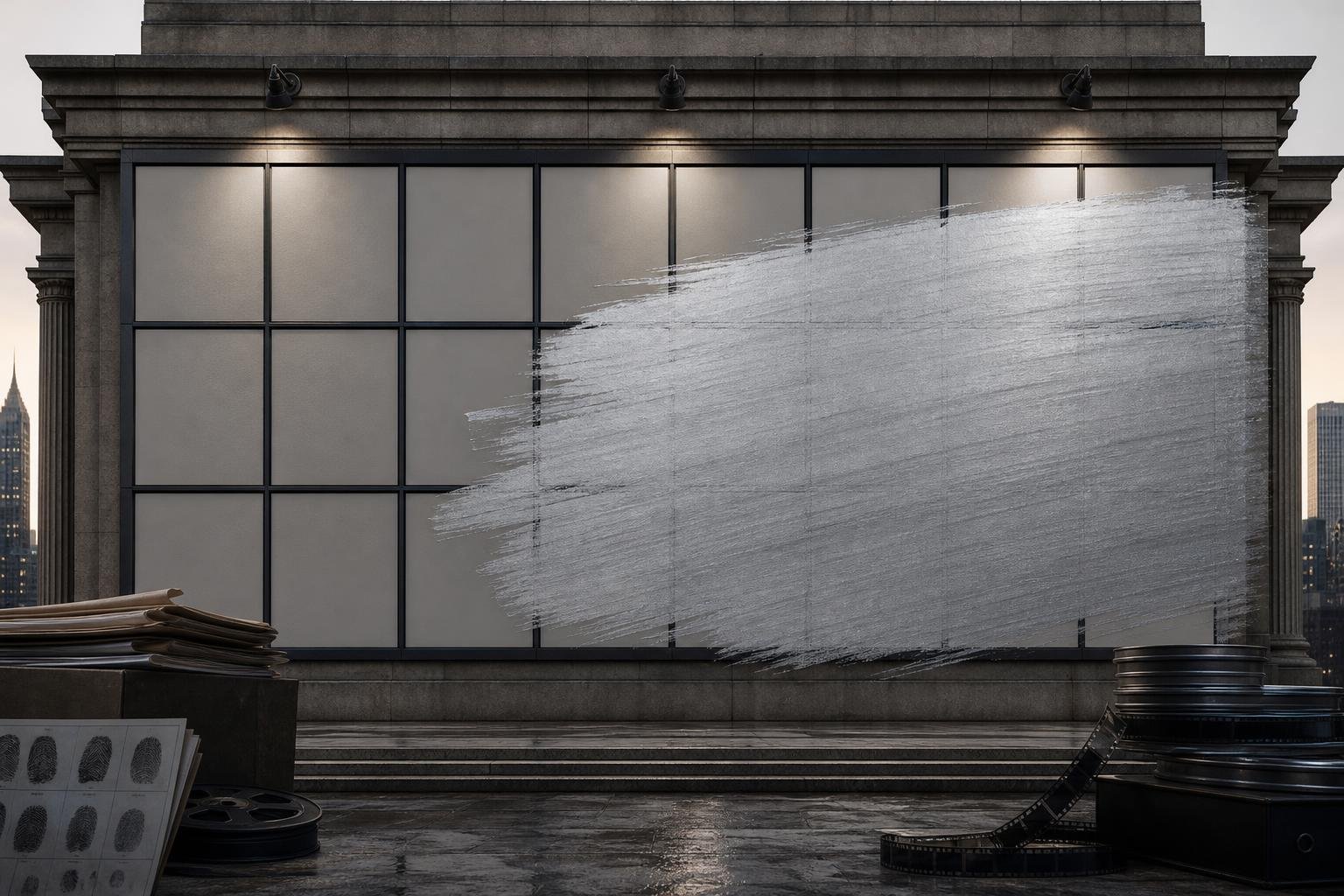
Then, before the fair opened, the mural was painted over.
The men had been selected from a New York Police Department booklet. Their faces were presented in the familiar language of criminal identification: frontal portraits, profiles, the unsmiling stare of the police camera. But Warhol had taken those images out of the police station and placed them in the same visual universe as Marilyn Monroe and Elizabeth Taylor.
The result was a collision between crime, celebrity, public spectacle, and art.
And the decision to conceal the mural raised a question that still follows mugshot imagery today: who gets to decide when a photograph becomes a public identity?