
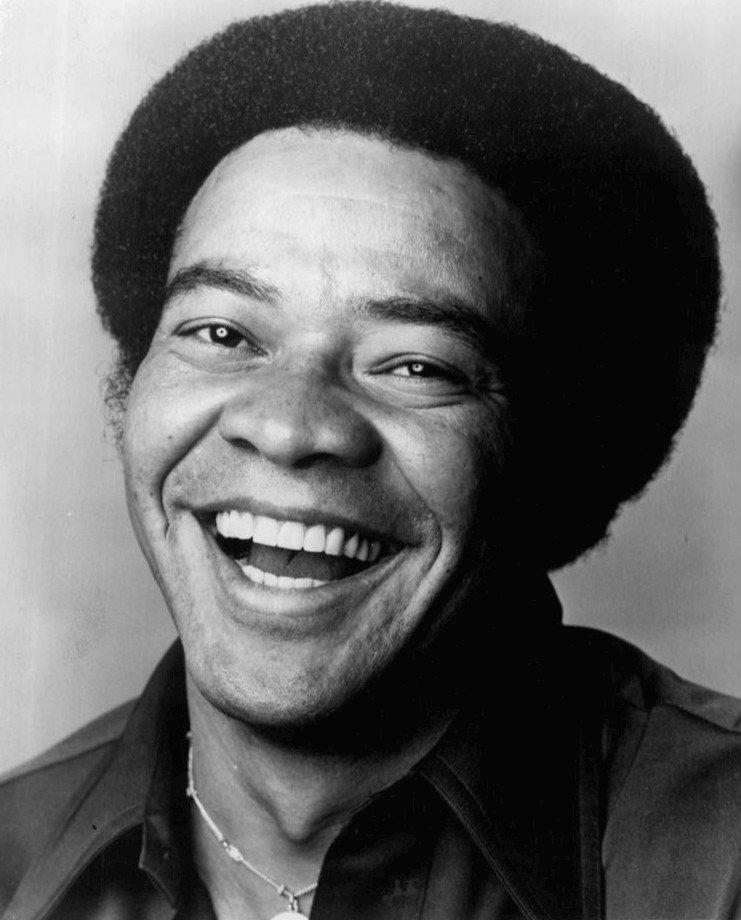
A music publisher associated with Bill Withers’ catalog has sued Capitol Records, Universal Music Group, Sony Music Publishing and Kobalt Music Publishing America, alleging that Olivia Dean’s song “I’ve Seen It” copies protected musical expression from “Just the Two of Us.”
Who filed the lawsuit
Mattie Music Group, doing business as Bleunig Music, filed the complaint October 1 in the U.S. District Court for the Central District of California.
The company says it owns an interest in the copyright to “Just the Two of Us,” which Withers co-wrote with Ralph MacDonald and William Salter.
Neither Dean nor her co-writers, Bastian Langebæk and Max Wolfgang, are named as defendants. The suit instead targets companies involved in recording, publishing, licensing and distributing the newer song.
The copying allegation
The publisher says it retained a musicologist who compared the two songs and concluded that “I’ve Seen It” shares substantial similarities in protectable musical expression with “Just the Two of Us,” including repeated use of what the complaint describes as a distinctive melody.
That is the plaintiff’s allegation. No court has ruled that Dean’s song infringes the earlier composition.
Why music copyright cases are complicated
Copyright does not protect every musical similarity. Common chord progressions, general style, genre conventions and unprotectable building blocks can appear in multiple songs without infringement.
The dispute will therefore turn on whether the allegedly shared material is legally protectable and whether any similarities are substantial enough to support liability.
What the publisher wants
The complaint seeks damages, profits allegedly attributable to infringement, attorneys’ fees and an injunction. It also asks for relief aimed at stopping further exploitation of the accused song.
Mattie Music says it notified the defendant companies in August 2026 before filing suit, but alleges that they continued to reproduce, distribute, license and commercially exploit “I’ve Seen It.”
Current posture
The case remains at an early stage. The allegations have not been tested through discovery, summary judgment or trial, and the defendants remain entitled to contest both the factual and legal basis of the claims.