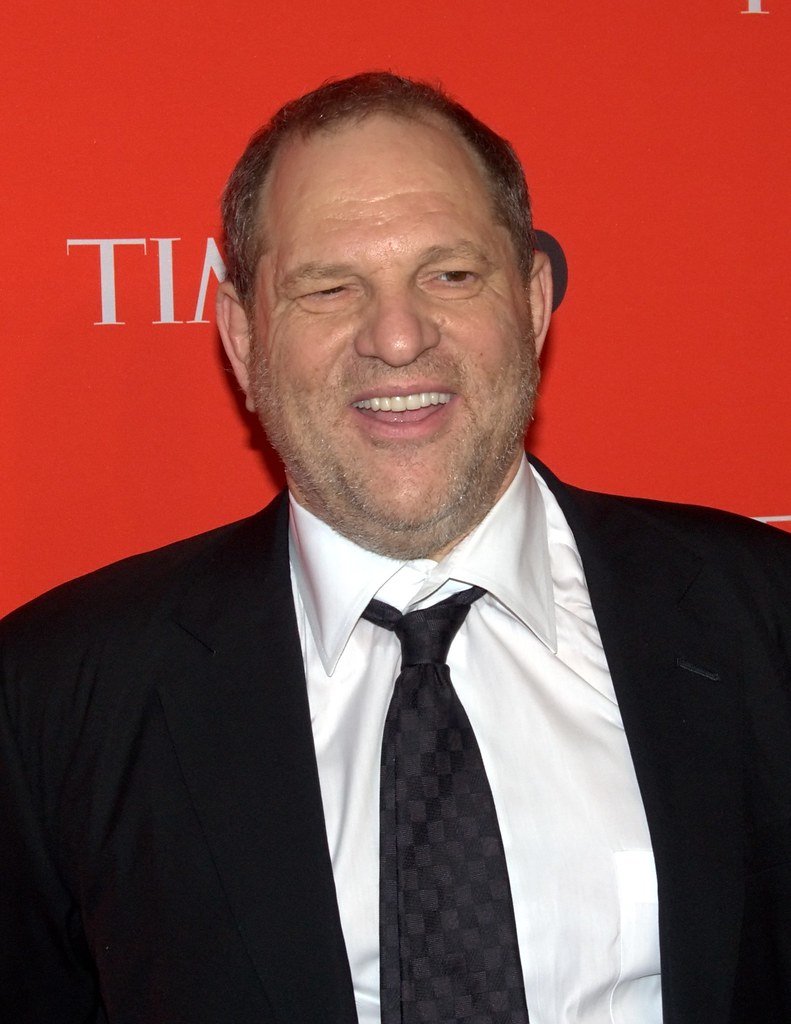
Former Hollywood producer Harvey Weinstein was sentenced in Manhattan on Wednesday, September 23, to 15 years in prison following his conviction for first-degree criminal sexual act against Miriam Haley, a former television production assistant. The sentence arises from an incident in Weinstein’s Manhattan apartment in 2006 and follows a retrial that returned a conviction after New York’s highest court overturned his earlier New York conviction in 2024.
Judge Curtis Farber imposed the 15-year term after hearing from Haley and Weinstein in court, according to Reuters and CBS New York. Prosecutors had sought a 20-year sentence. Weinstein’s defense asked for substantially less time, pointing to the more than six years he has already spent in custody and to his health. A spokesperson for Weinstein said he maintains his innocence, disagrees with the sentence and intends to appeal.
The legal distinction matters: Wednesday’s proceeding was a sentencing after a conviction, not a new arrest or a new criminal charge. A jury found Weinstein guilty in 2025 of the felony offense involving Haley. The case was retried after the New York Court of Appeals vacated his 2020 conviction, ruling that the earlier trial had been unfairly affected by testimony concerning allegations outside the charged conduct. The appellate ruling did not amount to a finding that Weinstein was factually innocent; it required a new trial under the court’s evidentiary analysis.
Weinstein had been one of the most powerful producers in the modern film business, with companies associated with movies including Pulp Fiction, Shakespeare in Love and Chocolat. His 2017 public reckoning became inseparable from the early public momentum of the #MeToo era, as reporting and subsequent criminal cases forced the entertainment industry to confront how professional status, access and institutional deference can shape reporting on alleged abuse.
That context also explains why the New York case has carried cultural weight beyond the defendant’s career. The retrial tested whether prosecutors could obtain a conviction while adhering to the evidentiary limits set by the state’s highest court. The sentence marks a consequential outcome in that narrower criminal proceeding, while leaving open the ordinary appellate process. Weinstein has denied sexually assaulting anyone.
Wednesday’s ruling is separate from Weinstein’s California criminal case. A California appeals court upheld his 2022 convictions there but vacated the sentence and ordered resentencing, Reuters reported. The precise interaction among the New York sentence, time already served and any future California sentence will be determined through court proceedings and correctional calculations, rather than by the headline 15-year figure alone.
For Hollywood, the development is another reminder that a public-image crisis and a criminal case are not the same thing. Weinstein’s industry collapse began years before this sentence, but the New York court’s action rests on a specific conviction following a retrial—not on the broader universe of public allegations surrounding him.
Sources
Featured image: “Harvey Weinstein David Shankbone 2010 NYC” · by david_shankbone · CC BY 2.0 · source